
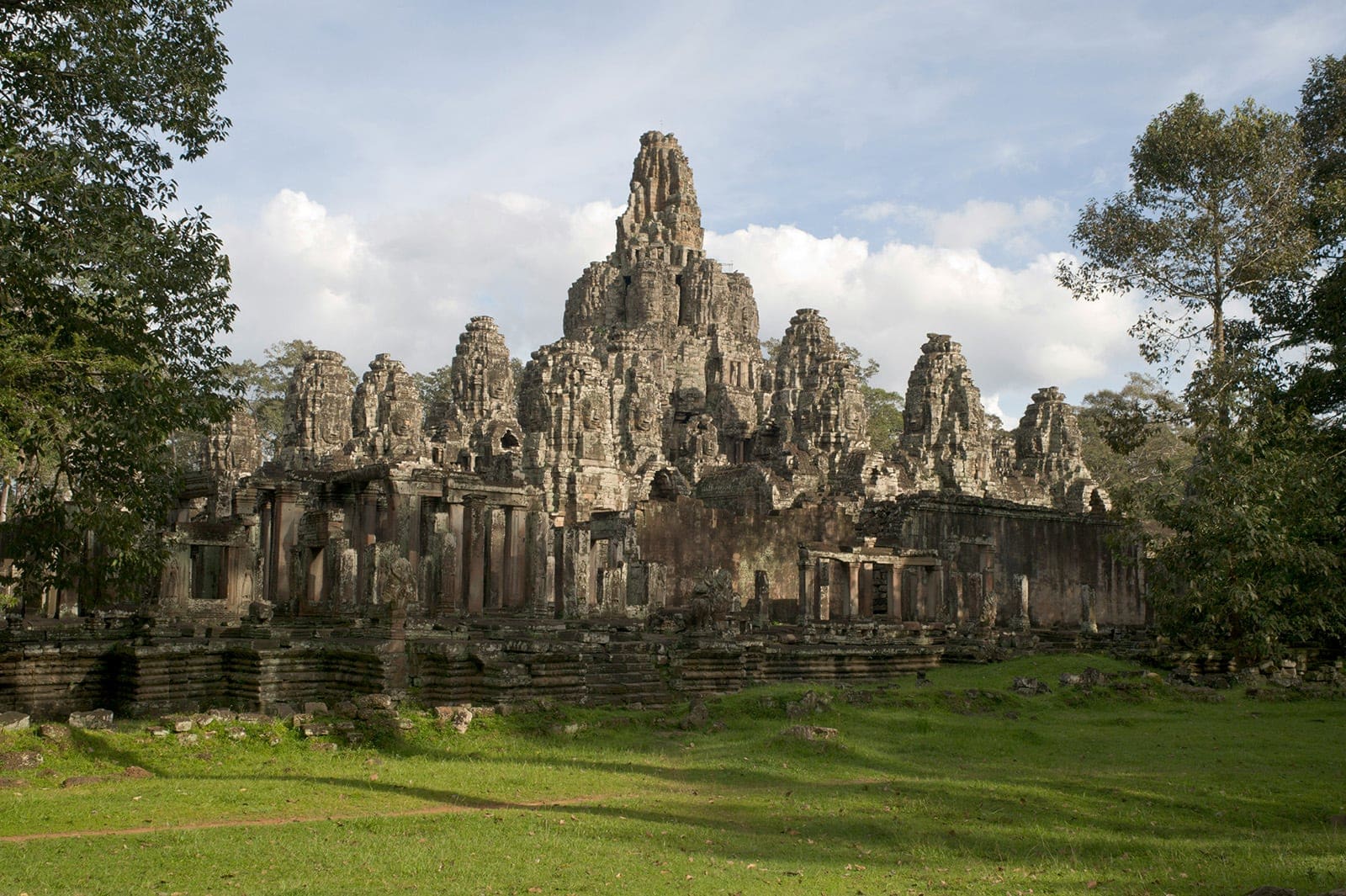
Visit Angkor Wat
Planning to visit Angkor Wat? Discover a perfectly paced 3-day itinerary with expert tips, ideal timing, and unforgettable temple experiences.
A Perfectly Paced Guide to Cambodia’s Ancient Wonders
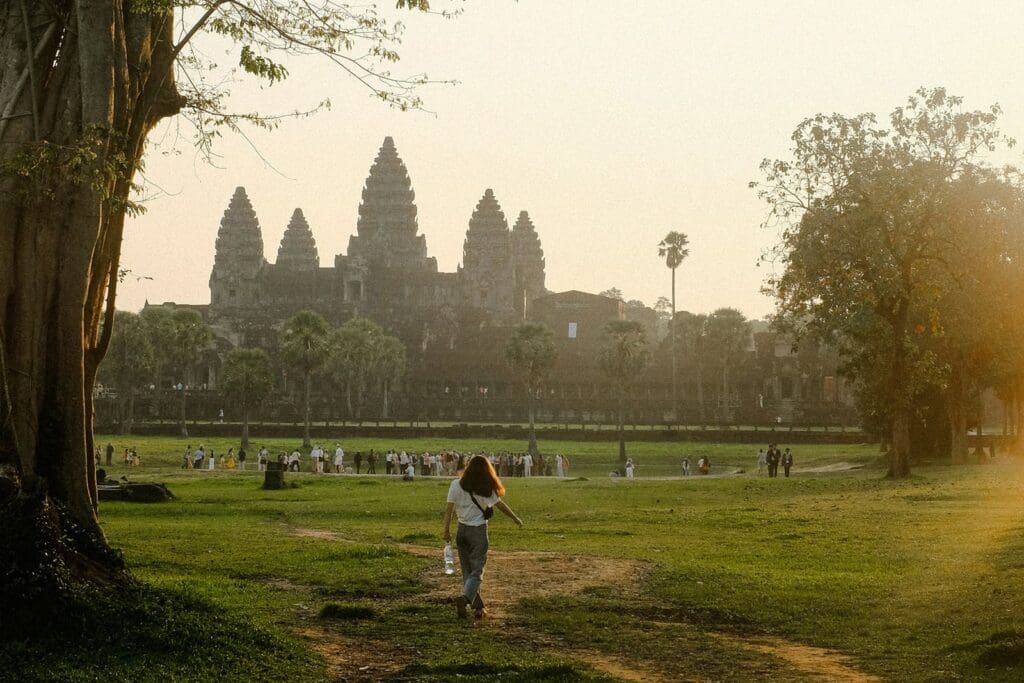
Angkor Wat isn’t just a temple, it’s an experience that stays with you long after you’ve returned home. Walking through jungle-wrapped ruins at sunrise, watching ancient carvings come alive in golden light, and standing in courtyards where Khmer kings once ruled, this is the kind of travel that transforms you.
But here’s what I’ve learned after exploring Angkor: timing, pacing, and having the right guide make all the difference between a good trip and an extraordinary one. The temples are stunning no matter when you visit, but knowing which ones to see at sunrise versus sunset, how to avoid the worst crowds, and where to pause for quiet reflection, that’s what turns this from a tourist experience into something genuinely moving.
This three-day itinerary is designed for travelers who want to experience Angkor’s greatest hits without feeling rushed, with thoughtful pacing that respects both the heat and your energy levels. You’ll have time to absorb what you’re seeing, ask questions, and really connect with this remarkable place.
Before You Go: What You Need to Know
Best time to visit:
November through February offers the most comfortable weather, warm but not oppressive, with minimal rainfall. March and April get hot (we’re talking 95°F+), while May through October brings monsoon season. That said, the temples are dramatic in any weather, and there’s something magical about having them nearly to yourself during a light rain.
Temple passes:
You’ll need a three-day Angkor pass, which can be purchased at the official ticket office or online in advance (or I’ll take care of that detail when you book with me). The pass includes your photo, so dress presentably when you pick it up. Your pass is good for any three days within a week, but this itinerary assumes consecutive days for optimal pacing.
Getting around:
Having a private car and driver with an excellent guide for all three days is a must. This isn’t just about transportation, a knowledgeable guide who’s passionate about Khmer history transforms the experience from “wow, beautiful ruins” to “I can’t believe I’m standing where this civilization thrived 800 years ago.” The right guide knows which angles catch the best light, which corridors to explore, and which stories bring the stones to life.
What to pack:
Lightweight, breathable clothing that covers shoulders and knees (required for temple entry), comfortable walking shoes that can handle uneven stones and stairs, a wide-brimmed hat, high-SPF sunscreen, insect repellent, and a refillable water bottle. Bring a small backpack or bag for carrying water and your camera, you’ll be doing a fair amount of walking.
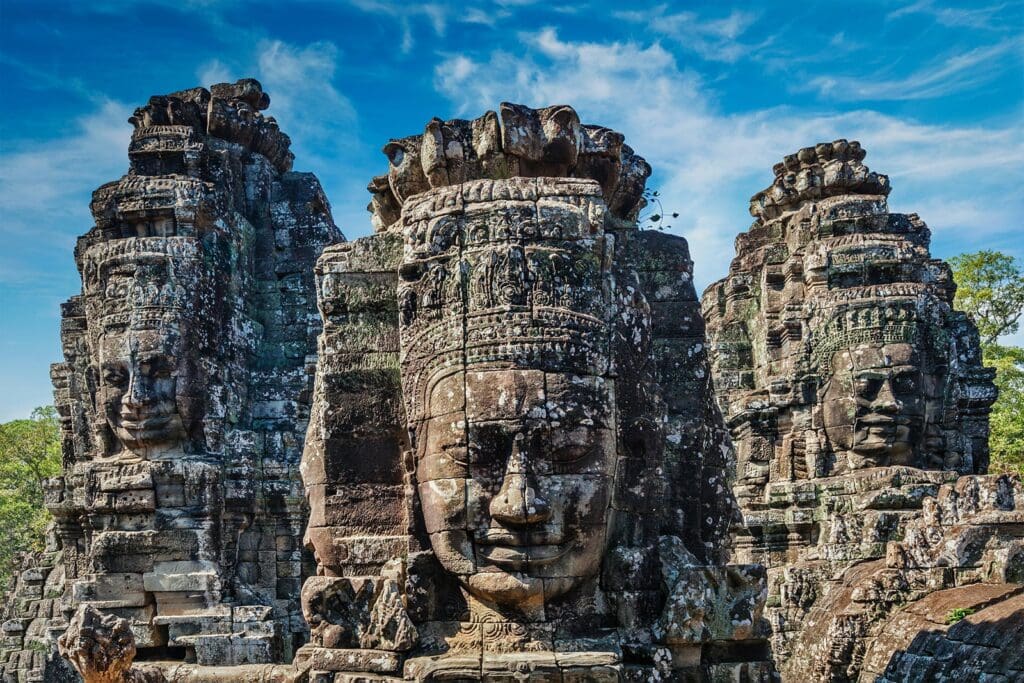
Day 1: The Grand Circuit and Sunset at Phnom Bakheng
Morning: Angkor Thom and the Bayon
Here’s a secret: while everyone else is crowding Angkor Wat at sunrise (which we’ll do tomorrow), you’re going to skip the chaos and head straight to Angkor Thom, the ancient walled city. By starting here, you’ll experience these temples in relative quiet before the tour buses arrive.
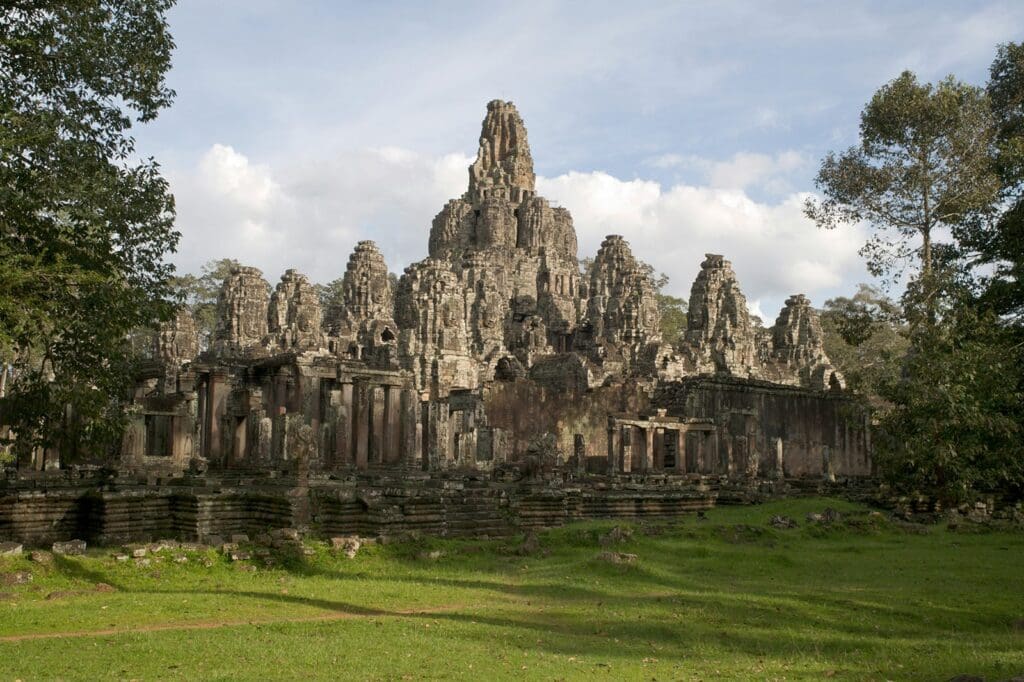
Enter through the South Gate, where massive stone faces watch your approach, it’s an entrance that never fails to give me chills. Your destination is the Bayon, the temple of faces. Here, 216 serene stone faces gaze out from 54 towers, and the effect is both overwhelming and deeply peaceful.
Spend time here. This isn’t a quick photo stop, it’s a place to wander, get a bit lost in the corridors, and let the scale of what you’re seeing sink in. The morning light is perfect for photography, casting dramatic shadows across the carved faces. Your guide will point out the difference between the smiling faces and help you spot the intricate bas-reliefs depicting daily life in the 12th century.
Don’t miss: The Terrace of the Elephants and the Terrace of the Leper King, both within Angkor Thom. The elephant terrace was used by the king to view his returning armies, imagine standing where Khmer kings stood 800 years ago.
Late Morning: Ta Prohm (The Tomb Raider Temple)
This is the temple where nature has reclaimed civilization, and it’s absolutely stunning. Massive tree roots snake over walls and through doorways, creating a scene that looks almost prehistoric. Yes, this is where parts of Tomb Raider were filmed, but the real magic has nothing to do with Hollywood, it’s about witnessing what happens when jungle and ancient architecture merge over centuries.
Ta Prohm was deliberately left in its “discovered” state (though it’s actually carefully maintained to prevent collapse). Unlike other temples that have been extensively restored, this one shows you what the first explorers saw when they stumbled upon these ruins in the 19th century.
The temple gets crowded in the morning, so your guide will time your visit as the morning crowds thin out. They’ll know the quieter corridors and the best spots for photos without tour groups in the background.
Lunch Break: Return to Your Hotel
Here’s something important: Cambodia is hot, and temple exploration is physically demanding. The midday heat is genuinely oppressive, and pushing through it will leave you exhausted and unable to enjoy the afternoon.
Return to your hotel for lunch, a swim, and genuine rest. This break isn’t optional, it’s strategic. You’ll return refreshed and ready to appreciate the late afternoon temples when the light is magical and the temperatures are bearable.
Late Afternoon: Preah Khan
Preah Khan is one of my favorite temples precisely because it’s less visited than the “greatest hits.” This sprawling monastic complex offers that wonderful feeling of discovery, you can explore corridors and courtyards without fighting crowds, and the late afternoon light streaming through doorways creates absolutely gorgeous photography opportunities.
Built by King Jayavarman VII (the same king who built Angkor Thom and the Bayon), Preah Khan served as a temporary royal residence while Angkor Thom was being built. It’s massive—covering 140 acres—so your guide will help you navigate to the most significant sections without getting disoriented.
Sunset: Phnom Bakheng
Yes, this is a popular sunset spot (with caps on access limits), but for good reason. From the top of this hilltop temple, you’ll have sweeping views over the jungle canopy with Angkor Wat visible in the distance. Watching the sun set over the temples you’ve been exploring all day provides a perfect bookend to your first day.
The climb up is about 20 minutes on uneven steps, it’s doable for anyone with moderate fitness but take your time. We’ll ensure to time your arrival to claim a good spot and settle in before sunset. The golden hour light is spectacular, and there’s something deeply satisfying about watching the day end from this vantage point.
Evening: Head back to Siem Reap for dinner. Pub Street is lively but touristy, for something more authentic, ask your guide for their favorite local spot.
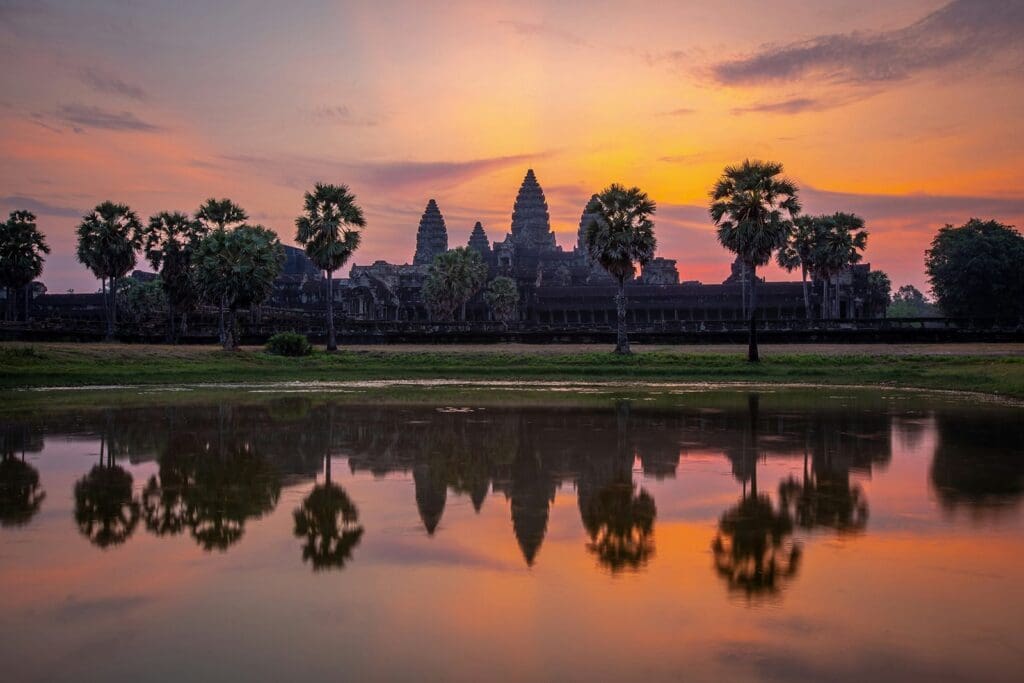
Day 2: Angkor Wat at Sunrise and the Small Circuit
Pre-Dawn: Angkor Wat Sunrise
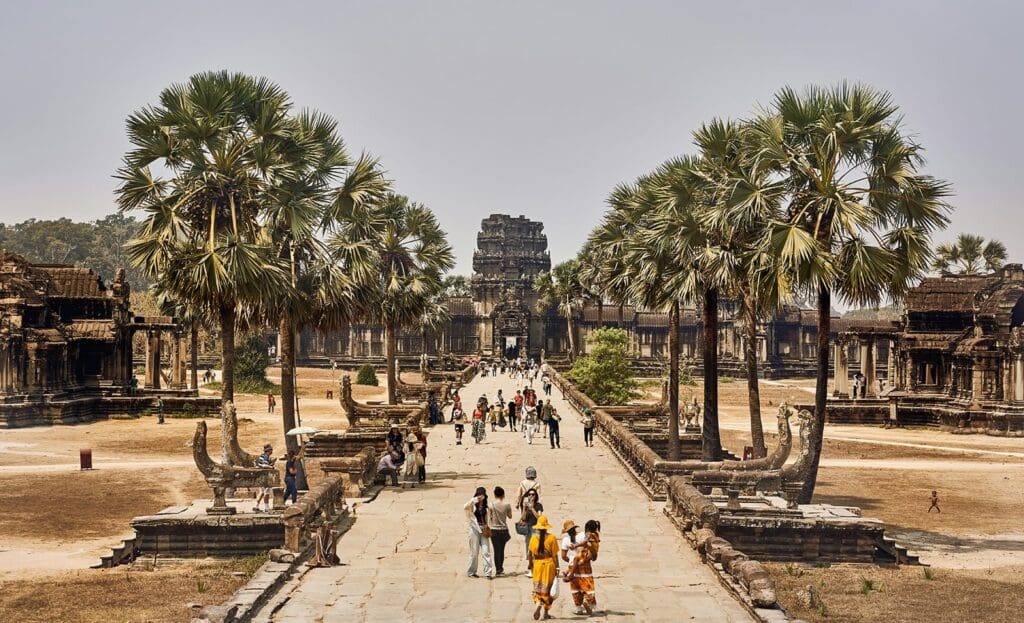
I won’t sugarcoat this, getting up before 5 AM is rough. But watching the sun rise behind Angkor Wat’s iconic towers, reflected in the lotus pond, is genuinely worth the early alarm. This is the moment you’ve seen in a thousand photos and experiencing it in person is powerful.
That said, you’ll have company. Lots of it. This is the most popular sunrise spot in Southeast Asia, so manage your expectations about solitude. Your guide will position you in a good spot by the reflecting pool, and as the sky lightens from deep blue to pink to gold, you’ll understand why everyone makes this pilgrimage.
I have to be honest here though, you won’t always get that magical sunrise photo. The clouds and sun have to cooperate. But regardless if you get the picture or not, experiencing the morning as the sun comes up over the temple is itself a ritual you can’t miss.
Here’s the real secret: after the sun rises and most people leave, stick around. Once the crowds disperse, you’ll have the temple relatively to yourself for the next hour. This is when Angkor Wat becomes magical, you can explore the galleries, climb to the upper terraces, and really appreciate the scale and artistry without being jostled by tour groups.
Morning: Exploring Angkor Wat
Angkor Wat deserves time. This is the largest religious monument in the world, and rushing through it would be a waste. Your guide will walk you through the highlights:
The bas-relief galleries: Eight sections of intricate carvings depicting Hindu epics, battles, and daily life. The Gallery of the Churning of the Ocean of Milk is particularly stunning, it tells the creation story with incredible detail.
The central sanctuary: The climb to the upper terrace requires modest dress and can have lines, but the 360-degree views from the top are worth it. You’re standing at the symbolic center of the universe in Khmer cosmology.
The quiet corners: Ask your guide to show you the lesser-visited courtyards and libraries. These peaceful spots let you absorb the atmosphere without crowds.
By mid-morning, you’ll be hot, tired, and ready for breakfast. Head back to your hotel or stop at a café in Siem Reap for a proper meal and coffee.
Late Morning: Banteay Kdei and Srah Srang
After breakfast, visit Banteay Kdei, a Buddhist monastery temple that’s beautifully atmospheric despite being less restored than major temples. It feels authentically ancient, with crumbling corridors and tree roots beginning their slow reclamation.
Just across the road is Srah Srang, the “Royal Bath”, a large reservoir where kings once bathed. The landing stage here is peaceful, and it’s a lovely spot to sit for a few minutes and reflect on what you’ve seen. There’s something grounding about pausing between temples rather than rushing from one to the next.
Midday Break: Rest and Recharge
Remember: pacing yourself is crucial. Return to your hotel for lunch, rest, and recovery. You’ve been up since before dawn, and you’ve still got an afternoon of temples ahead. Use this time to process the morning, review your photos, and genuinely rest.
Late Afternoon: Ta Keo and Thommanon
Ta Keo is fascinating because it was never finished, you can see exactly how these massive sandstone temples were constructed, with stones waiting to be carved. It’s essentially an ancient construction site, frozen in time. The climb to the top is steep but doable, and from the upper level, you get excellent views over the surrounding jungle.
Thommanon is small, perfectly proportioned, and beautifully restored. It’s a quick visit but worth it for the intricate carvings and the peaceful atmosphere. These smaller temples provide a nice contrast to the massive complexes, you can appreciate the craftsmanship without being overwhelmed by scale.
Sunset: Pre Rup
Pre Rup is less crowded than Phnom Bakheng but equally stunning. The name of this temple-mountain means “turn the body”, a reference to longstanding beliefs that cremation rituals occurred here. The reddish brick catches the late afternoon light beautifully.
The climb to the top is steep but manageable, and from the upper terrace, you’ll have panoramic views across rice paddies and palm trees. As the sun sets and the stones glow golden-red, you’ll have time to simply sit and appreciate where you are.
Evening: Consider attending a traditional Apsara dance performance over dinner, it’s touristy, yes, but the classical Khmer dance is genuinely beautiful and adds cultural context to the dancing apsaras you’ve been seeing carved on temple walls.
Day 3: Banteay Srei and the Countryside
Morning: Banteay Srei
Banteay Srei sits about 25 kilometers from Siem Reap, which means a 45-minute drive through Cambodian countryside, rice paddies, villages, roadside markets. The drive itself is part of the experience, giving you a glimpse of rural Cambodia beyond the tourist zone.
When you arrive, you’ll understand why this detour is worth it. Banteay Srei, the “Citadel of Women,” is built from pink sandstone and features the most intricate, delicate carvings in the entire Angkor complex. Unlike the massive scale of Angkor Wat or Angkor Thom, this temple is intimate and jewel-like.
The carvings here are so detailed, so perfectly preserved, that they look like they were completed yesterday. Every surface is decorated, devatas (female deities) with elaborate headdresses, scenes from Hindu epics, intricate floral patterns. Art historians call this the pinnacle of Khmer decorative art, and once you see it, you’ll understand why.
Spend at least 90 minutes here. The temple is compact, so you can study the carvings in detail without rushing. Your guide will point out the most significant panels and explain the stories being depicted.
Late Morning: Banteay Samre
On your way back to Siem Reap, stop at Banteay Samre, another beautifully restored temple that most tourists skip. It’s peaceful, well-preserved, and offers a final chance to appreciate Angkorian architecture without crowds.
The temple sits within a large moat, and the sense of isolation adds to its charm. You can wander the galleries and courtyards at your own pace, and if you’re lucky, you might have entire sections to yourself.
Lunch: Countryside Experience
Instead of returning to Siem Reap for lunch, ask your guide to arrange a traditional Khmer meal in a local village or at one of the small restaurants near the temples. This gives you a chance to interact with Cambodians outside the tourist industry and taste authentic home-style cooking.
Many guides can arrange visits to their own villages or connect you with families who welcome visitors. It’s informal, genuine, and adds a meaningful cultural layer to your temple touring. You might try amok (fish curry steamed in banana leaves), lok lak (stir-fried beef), or fresh spring rolls.
Afternoon: Choose Your Own Adventure
After three days of temple exploration, you have options for how to spend your final afternoon:
Option 1: Return to your favorite temple. Many travelers want to revisit Angkor Wat or the Bayon now that they understand the context better. Seeing a temple for the second time, when you’re not overwhelmed by the newness, can be even more powerful.
Option 2: Explore the outer temples. If you’re not temple-exhausted yet, Beng Mealea (about an hour from Siem Reap) offers that true “lost in the jungle” experience. It’s largely unrestored, massively overgrown, and feels genuinely adventurous.
Option 3: Cultural experiences in Siem Reap. Visit the Angkor National Museum to deepen your understanding of what you’ve seen, browse the Old Market and Night Market for handicrafts, or book a traditional Khmer cooking class.
Option 4: Rest and reflect. Honestly? After three days of temples in the heat, returning to your hotel for a spa treatment, pool time, and a leisurely final evening might be exactly what you need. There’s no prize for seeing every single temple, what matters is that you enjoyed what you saw.
Where to Stay in Siem Reap
Your choice of accommodation can significantly impact your experience. After long days of temple touring, you want a place that feels like a sanctuary.
Luxury: Amansara (intimate, former guest house of King Sihanouk), Phum Baitang (peaceful resort with private villas), or Belmond La Résidence d’Angkor (classic elegance with a gorgeous pool).
Boutique: Shinta Mani Angkor (stylish with strong community focus), Park Hyatt Siem Reap (modern luxury), or Jaya House River Park (on the river, beautifully designed).
All of these properties offer excellent service, comfortable rooms, good restaurants, and most importantly, pools. Trust me, you’ll appreciate that pool.
Property Highlight: Amansara
Located in town within walking distance to the night market and Pub Street and only a 10-minute drive from the UNESCO heritage site, Amansara provides a serene escape after days exploring the largest religious complex in the world. With only 24 suites, you’ll feel as if you stepped into your own personal vacation home-or the guest residence of the former king. And if you need a break from visiting temples, try the holistic spa for their Apsara spa ritual inspired by the female cloud spirits. If you want to build more wellness into your trip, plan a water blessing or meditation session with local Buddhist monks.
Final Thoughts: Making It Your Own
This itinerary is designed as a framework, not a rigid schedule. The beauty of hiring a private guide and driver is flexibility, if you’re loving a particular temple, stay longer. If you’re exhausted, head back early. If rain forces a change in plans, your guide will have alternatives ready.
What matters most isn’t checking every temple off a list. It’s giving yourself space to really experience these extraordinary places, to sit quietly in a courtyard, to study the carvings, to ask questions, to feel the weight of history around you.
Angkor isn’t just beautiful, it’s powerful. Standing in temples that have survived 800+ years, imagining the civilization that built them, and witnessing how nature and human achievement coexist, this is exactly the kind of transformative travel that stays with you long after you’ve returned home.
That’s what I want for every traveler I work with: not just a perfectly planned trip, but a journey that genuinely moves them. And Angkor? It delivers on that promise every single time.
Ready to Experience Angkor Wat?
Let me handle the planning, from securing the best guides to pacing your days perfectly.
Reach out and we’ll design your Cambodia adventure together.


Experience the difference of expertly planned travel
Your dream trip should be as easy as it is unforgettable
Firsthand Knowledge
I’ve been there, I know what’s worth your time, and what’s not.
Luxury, simplified
Every trip is customized to your goals, budget, and comfort level.
Effortless execution
From start to finish, I handle every last detail so you can simply show up and enjoy.
Trusted network
I partner with vetted guides, and global luxury brands for a worry free experience.


