
The Real Logistics of Planning a Once-in-a-Lifetime Safari
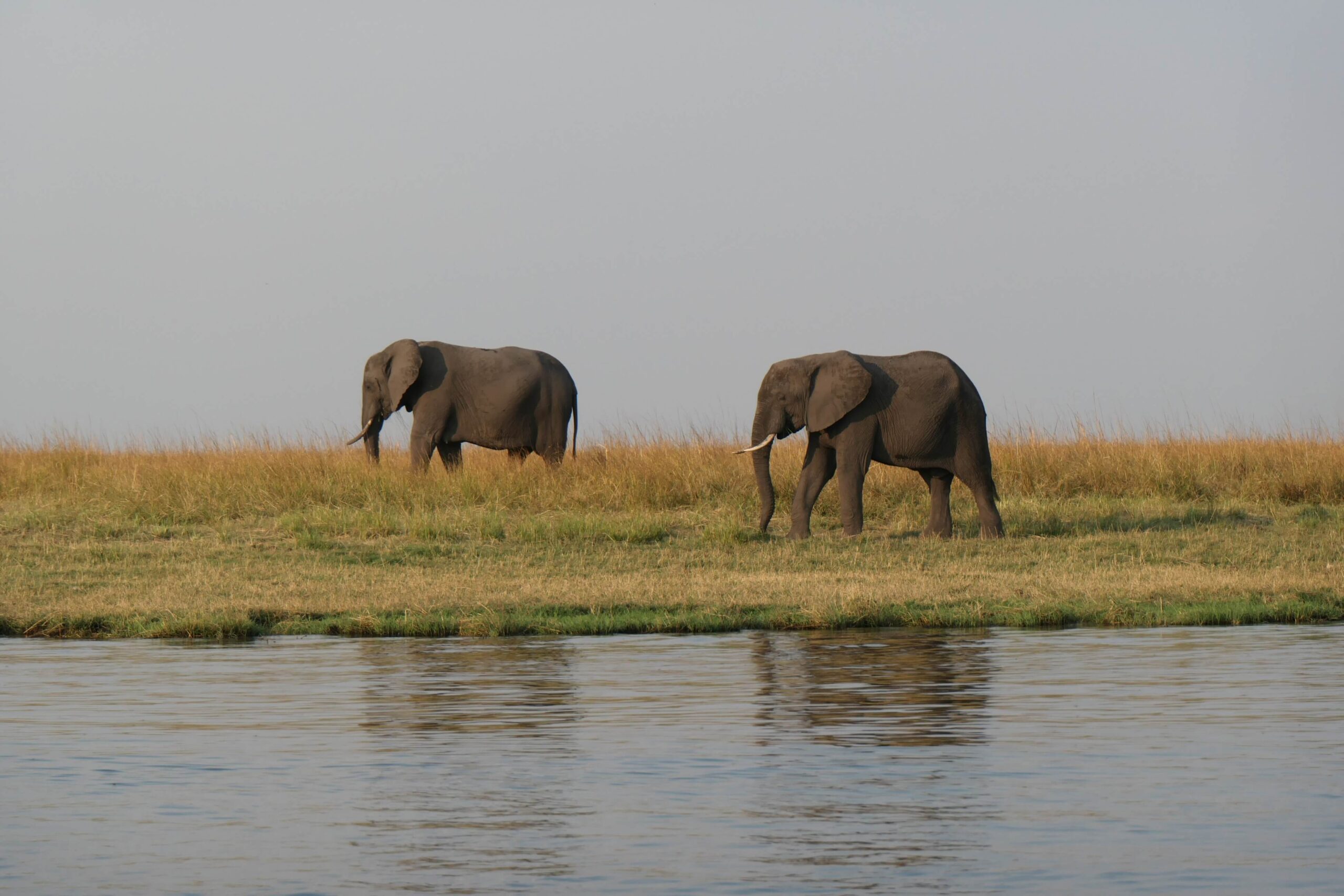
I recently returned from my second safari experience. My mom and I had traveled to South Africa for AmaWaterways’ Discover Africa safari river cruise on the Chobe River, along with time in Cape Town and Victoria Falls. We also added a few extra days of safari at Londolozi’s Founders Camp in Sabi Sands, South Africa. Before we left, there was a list of things we made sure we had covered to ensure the trip went off seamlessly: visas with specific timing windows, passport requirements that varied by country, what we could actually pack within airline restrictions, and most importantly, how to protect ourselves from malaria. I’m sharing my safari tips from our packing and preparation so you will know what to do to be prepared and why working with a travel advisor makes such a difference.
Before booking my first safari a couple of years ago, I was confident about travel planning. Then I started researching African visas, malaria prevention, and luggage restrictions for small aircraft. Suddenly I realized this trip was completely different. A safari trip wasn’t like planning a European city getaway. The expense was greater, the requirements were different, and the details that seemed small actually defined the entire experience.
Passport and Visas: Start Here
The first thing I did was check the State Department’s website. It was a one-stop resource for entry requirements, visa needs, required vaccinations, and currency restrictions for any country.
For our specific itinerary through South Africa, Botswana, Namibia, and Zimbabwe, the requirements varied (as of September 2026):
- Botswana and South Africa allow US visitors to travel visa-free, but you need at least 1 blank page each in your passport. (If doing the AmaWaterways trip, you’ll need additional pages due to the transfers back and forth between Namibia and Botswana).
- Zimbabwe lets you get a visa on arrival for US travelers (you’ll need $30 USD in cash per person, or more if doing a dual entry visa, so plan ahead).
- Namibia requires an e-visa applied for online. This one demands strategic timing. You can only apply within 30 days of your expected travel date, and the visa is valid for 30 days after approval. Apply too early and it expires before you travel; apply too late and you’re stuck waiting. I also had problems with their website which delayed getting our applications submitted but they were immediately approved once I was able to complete them. I recommend starting the process as soon as you are within the 30-day window of your expected departure from Namibia.
I checked these details well in advance to make sure I had everything locked down before departure.
Safari Tip: Enroll in STEP
Enroll in the Smart Traveler Enrollment Program (STEP) at travel.state.gov. It’s free and notifies the US government that you’re traveling to these destinations in case of an emergency.
Here’s the thing about multi-country African trips: requirements don’t stay the same from one country to the next. Visas have different costs, vaccination needs shift based on your entry point and where you’ve been, and the paperwork for each border crossing is unique. This is exactly why thorough planning matters before you depart—it’s not just one destination to prepare for, it can be multiple countries with overlapping but distinct requirements.
Packing Tips: Less is Actually More
This is where a lot of first-time safari-goers get it wrong.
You need far less clothing than you think. Safari lodges have a casual dress code, so leave the formal wear at home unless you’re spending time in a major city like Cape Town. Even better, most safari lodges offer complimentary laundry service, so you can pack even lighter and re-wear pieces throughout your stay.
Safari Tip: Check Luggage Restrictions
Luggage restrictions are real. And they matter more than you’d expect. The small planes that connect to remote lodges have strict weight and size limits. You’re typically allowed one checked bag (maximum 44 pounds) and one small carry-on (11-17 pounds). Check with your airline on specific requirements. Your main checked bag also needs to be a soft-sided duffel, roughly 24-25 inches long. Those hard-shell suitcases will not always fit in the plane’s limited luggage hold.
Safari Tip: Clothing Color Matters
Color matters more than you’d expect. Wear light, neutral colors like khaki, tan, and green. Avoid black and navy, as they attract tsetse flies which can be common in many safari areas. White sounds good but shows dust like crazy, so neutrals are your best bet for staying comfortable and not looking grimy by midday.
Safari Tip: Layers
Layer, even though it’s Africa. Mornings and evenings in the desert get cool, so pack long sleeves (a fleece, button-up shirt, and packable puffer) along with your lightweight daytime clothes. I also recommend a hat or beanie and neck gaiter which can help cover your ears during the cold but also help with dust during long game drives.
Vaccines and Malaria Prevention: The Health Reality
The first question everyone asks me: Do you need shots for a safari?
For my particular itinerary, I did not need any mandatory vaccinations. However, I researched the most up-to-date recommendations and requirements based on which countries we were entering. A yellow fever vaccination, for example, is required by some African countries, but only if you’re arriving from a country with a high risk of transmission. You can find the current list of high-risk countries on the CDC website (link). Since we were not coming from any of those countries, we did not need it for our trip. If your itinerary includes multiple countries before or within Africa, this is worth double-checking.
Common recommendations include ensuring your MMR, Hepatitis A, and Hepatitis B vaccinations are current, along with yellow fever and COVID-19 shots.
Safari Tip: Malaria is a Real Consideration
The bigger concern on safari is malaria from mosquito bites. There are some malaria free safari zone, primarily in southern South Africa. But in many parts of the continent malaria is a real concern. We took three practical steps to reduce our risk, because a truly great safari is one where you come home healthy and able to fully process the experience. This isn’t being overly cautious; it’s just how you travel responsibly to these regions. Check (link) the current maps for malaria transmission to see the risks where you’ll be traveling. Malaria is not just a risk in Africa, but also in parts of Latin America, South America and Asia.
Anti-malarial medication
The CDC recommends taking an anti-malarial to reduce your risk of infection. There are several medication options with different pros and cons, so I researched each one and discussed with my doctor. Costs vary significantly depending on whether you use insurance, an online provider, or local travel health clinics, and they also vary by medication type. Without insurance through an online provider, I paid about $125 for three weeks of medication. My mom, using her insurance, only paid $60-70 for a month’s worth. The point is, don’t let cost uncertainty stop you from getting protection, just factor it into your budget and explore your options.
Pre-treated clothing
One thing many people do not realize is that you can pretreat your clothing with insect repellant to help prevent bug bites. On our recent trip, no one we talked with was aware of this and we were the only ones that had taken this step. The most expensive option is buying specialty clothing from outdoor brands that’s already treated with insect repellent. Instead, we treated our clothing at home using Permethrin spray (available on Amazon, around $15-20 per bottle). I did this before my Tanzania safari a few years ago. It’s straightforward but requires planning ahead.
Here’s the process: Find a well-ventilated outdoor area or garage, thoroughly spray every piece of clothing, then let it dry completely. Permethrin typically dries in 24 hours. Make sure you have enough spray to coat everything evenly. We used just over 24 oz. per person. Only treat your outer clothing (shirts, pants, jackets, socks).
Insect repellent for exposed skin
Even with medication and pretreated clothing, you want protection for areas like ankles, arms, your face, and neck. There’s ongoing debate about DEET versus alternatives. I’m using Picardin this trip (same as I used on my previous safari), which offers solid protection without some of DEET’s downsides.
Important note: While these are my personal choices based on my experience, you should research your options and understand the pros and cons of each to make the most informed decision for yourself.
Why This Matters (And When to Book With Someone Who Knows)
The logistics of preparing for a multi-country African safari go way beyond what you see in the guidebooks. Luggage restrictions limit what you can bring. Disease prevention requires planning weeks in advance. And then there’s knowing which destinations to visit in which order, arranging seamless transfers between remote lodges, and understanding all the small details that compound into either a stressful experience or an unforgettable one.
When you book a safari with me, you’re getting more than an itinerary. You’re getting my firsthand experience across Africa, clear guidance on every visa requirement, practical tips for packing within airline restrictions, and a complete plan that accounts for every logistical detail. That means no surprises when you arrive, just the freedom to focus entirely on the extraordinary experience unfolding in front of you. That’s the difference between managing a safari trip and actually living it.
Ready to start planning your African safari? Let’s talk about your bucket-list dream and create a trip that’s not just beautiful, but perfectly prepared from start to finish.
Author: Amanda Brinkerhoff
Last Edited: October 22, 2026


Experience the difference of expertly planned travel
Your dream trip should be as easy as it is unforgettable
Firsthand Knowledge
I’ve been there, I know what’s worth your time, and what’s not.
Luxury, simplified
Every trip is customized to your goals, budget, and comfort level.
Effortless execution
From start to finish, I handle every last detail so you can simply show up and enjoy.
Trusted network
I partner with vetted guides, and global luxury brands for a worry free experience.


